
 রিপোর্টারের নাম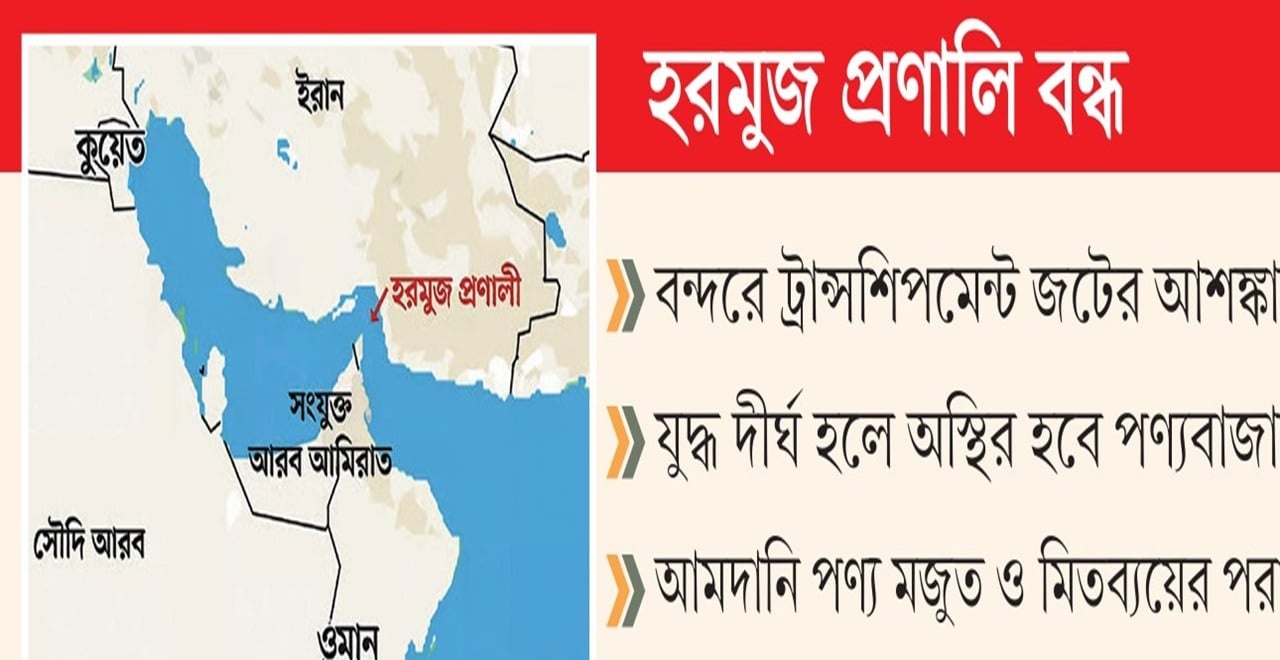
শিরোনাম: হরমুজ প্রণালি বন্ধের শঙ্কা: বাংলাদেশে জ্বালানি সরবরাহ ও বাণিজ্যে বড় ধাক্কার আশঙ্কা
বিস্তারিত বর্ণনা:
মধ্যপ্রাচ্যের উত্তেজনার পারদ চড়তে থাকায় বিশ্বজুড়ে জ্বালানি সরবরাহ এবং আন্তর্জাতিক বাণিজ্যের অন্যতম গুরুত্বপূর্ণ নৌপথ হরমুজ প্রণালি বন্ধ হয়ে যাওয়ার আশঙ্কা দেখা দিয়েছে। যুক্তরাষ্ট্র ও ইসরায়েলের যৌথ হামলার প্রতিক্রিয়ায় ইরান এই প্রণালি বন্ধ করে দিলে বিশ্বThe international maritime trade is facing a significant disruption due to the recent events in the Middle East. The Strait of Hormuz, a critical global shipping lane, has been threatened with closure by Iran in response to joint attacks by the United States and Israel. This potential closure has sent ripples across the world, impacting global trade patterns and raising concerns about the stability of energy supplies.
Bangladesh, heavily reliant on Middle Eastern countries for its energy needs, is particularly vulnerable to these developments. At least 15 vessels carrying essential commodities such as product oil, crude oil, LPG, and LNG, bound for Bangladesh, transit through this vital waterway each month. While Bangladesh’s direct dependence on this route for its exports and imports may be less pronounced, the global trade volume that passes through it is substantial, accounting for approximately 60 percent of world trade. Consequently, any prolonged conflict in the Middle East is expected to lead to an increase in the cost of imports and exports for Bangladeshi businesses.
The immediate effect of the Strait of Hormuz closure would be the suspension of fuel supplies to various countries, including Bangladesh. This could lead to volatility in the energy sector, prompting experts to advise on conserving fuel and maintaining adequate reserves to mitigate the crisis.
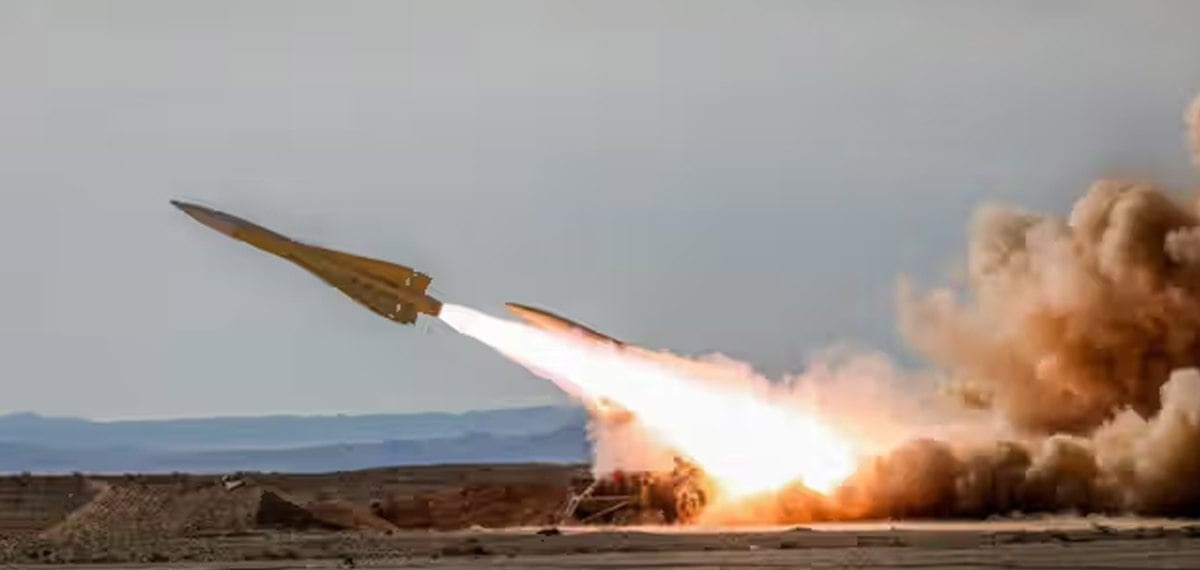
The current geopolitical tensions escalated on Saturday with joint attacks on Iran by the United States and Israel. In retaliation, Iran has launched counter-attacks targeting US installations in several countries, including the UAE, Bahrain, and Kuwait. The region is now on high alert, with the declaration of the Strait of Hormuz closure by Iran adding to the mounting concerns.
The disruption of this crucial trade route, which handles 60 percent of global trade, could have severe repercussions on the world economy, particularly affecting the energy sector’s supply chain. Each month, over 3,000 fuel tankers traverse this route. For Bangladesh, this includes seven to eight vessels carrying product oil like diesel and jet fuel, two mother tankers carrying crude oil, two to three LPG carriers, and three specialized LNG ships.
Even though Bangladeshi-bound refined oil tankers may not directly use this route, the instability it creates will have an indirect impact. The countries from which Bangladesh imports refined oil rely on the Strait of Hormuz for their crude oil imports. Therefore, a prolonged closure of the strait could lead to a crisis in Bangladesh’s entire energy sector, as highlighted by Captain Sabbir Mahmud, Principal Officer of the Department of Shipping.
He emphasized that the Strait of Hormuz is the world’s most vital oil export route, connecting the Gulf oil-producing countries with the Gulf of Oman and the Arabian Sea. The entire maritime trade operates on a cyclical basis, and the closure of one route can cripple the entire transportation sector.
Sources within the energy sector indicate that the Middle East is a major source of crude and refined fuel oil for Bangladesh. The Bangladesh Petroleum Corporation (BPC) imports fuel oil from Saudi Arabia, the UAE, and Kuwait. Additionally, Bangladesh imports LNG from Oman and Qatar under long-term agreements. The Middle East is also the primary source for LPG.
These three types of fuel are imported into Bangladesh via sea routes that utilize the Strait of Hormuz. Approximately 20 percent of Bangladesh’s annual crude oil demand is met by imports from two Middle Eastern countries. Furthermore, 55 percent of its LNG supply comes from Oman and Qatar. The import and supply of LPG are almost entirely dependent on Middle Eastern countries.
Statistics from RPGCLL and BPC reveal that Bangladesh imports 2.46 million tons (40 cargoes) of LNG annually from Qatar and 0.85 million tons (14 cargoes) from Oman. Crude oil is imported from Saudi Arabia (798,000 tons annually) and the UAE (712,000 tons annually). Refined oil is sourced from Oman, the UAE, and Kuwait based on demand. LPG is imported from Saudi Arabia, the UAE, Oman, and Qatar. Bangladesh’s annual LPG demand stands at 1.4 million tons. Given Bangladesh’s long-standing dependence on Middle Eastern countries for imported energy, a prolonged conflict in the region could have severe long-term consequences for its energy sector.
The adverse impact of the Strait of Hormuz closure will also be felt in the country’s trade sector. While the direct impact on cargo ship movement between Bangladesh and other countries might be less severe, the transportation system as a whole is likely to be disrupted. Container mother vessels rerouting to alternative paths would lead to significant congestion at transshipment ports. The journey, which normally takes 15 days via the Strait of Hormuz, would extend to at least 40 days if ships are forced to take alternative routes. This extended transit time could cause container backlogs at major transshipment hubs like Singapore, Colombo (Sri Lanka), Port Klang (Malaysia), and Tanjung Pelepas.
The inability of mother vessels to arrive on time would lead to a standstill in port operations for the transshipment of goods. Azmir Hossain Chowdhury, Head of Operations at MSC Shipping, stated that delays in ship and container movement would inevitably lead to increased freight charges, with negative implications for the global economy.
Shoriful Alam Jewel, former Vice Chairman of the Bangladesh Shipping Agents Association, believes that there is no easy alternative to the Strait of Hormuz. He estimates that avoiding the strait would increase the operational costs for mother vessels by 35-40 percent. This, in turn, would raise the prices of finished goods by 80 percent, and the transit time would more than double. He expressed concerns that the global economy might struggle to absorb such a shock and suggested that, in addition to awaiting a resolution, the public must prioritize fuel conservation to maintain reserves.
Mahfuzul Haque Shah, a former director of the Chittagong Chamber of Commerce, pointed out that Bangladesh’s energy sector relies on the Strait of Hormuz, and its other imports and exports are dependent on the Suez Canal. With the Strait of Hormuz potentially closed, and the ongoing conflict, the Suez Canal route could also become vulnerable. He urged the government to take proactive measures, including increasing reserves of certain goods and raising public awareness about the need for austerity. He highlighted the significant risks to the import-export and energy sectors, particularly the energy sector, which has a reserve capacity of only 25-26 days, whereas it should ideally be for at least three months. He warned that if the conflict extends beyond a week, the crisis could intensify, noting that despite repeated calls for increasing fuel reserves, no government has taken sufficient action.