

ঢাকা ০৭:৫১ পূর্বাহ্ন, মঙ্গলবার, ২১ এপ্রিল ২০২৬

জুলাইয়ের আন্দোলন: ছাত্রমৃত্যুর দায় স্বীকার করে নিলেন সজীব ওয়াজেদ জয়

  • রিপোর্টারের নাম
  • আপডেট সময় : ০২:৩৯:৪৯ অপরাহ্ন, মঙ্গলবার, ৩ ফেব্রুয়ারী ২০২৬
  • ৫ বার পড়া হয়েছে

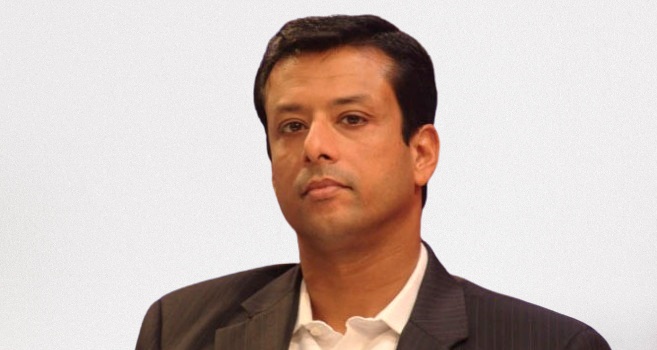
ভারতের কলকাতায় অনুষ্ঠিত এক বই প্রকাশনা অনুষ্ঠানে যোগ দিয়ে বাংলাদেশের রাজনৈতিকThe July 2024 protests in Bangladesh, often referred to as the “July Massacre,” have taken a significant turn as Sajeeb Wazed Joy, son of the former Prime Minister, has publicly accepted responsibility for the deaths of students during the unrest. Speaking virtually from abroad at an event organized by the BJP-affiliated cultural platform “Khola Hawa,” Joy addressed the nation’s political climate and the events that transpired.

In his address, Joy acknowledged that the demands of the quota reform movement were legitimate. He explained that the government had initially abolished quotas, but a subsequent court order reinstated them, leading to a complex situation. He characterized this as a failure on the part of the government. While accepting accountability for the student fatalities, Joy maintained his stance regarding alleged conspiracies behind the violence.

He pointed to an audio recording attributed to Sheikh Hasina, suggesting that militants attacked police stations, which escalated the situation into violence. Joy asserted that the government or police did not initiate the violence, but rather that extremists and militants operating under the guise of the movement were responsible for setting fires and causing disturbances.

A significant portion of Joy’s speech focused on the upcoming general elections scheduled for February 12. He described the election as “one-sided,” with the Awami League being banned and other progressive parties marginalized. He characterized the current political landscape as a two-way contest between the BNP and Jamaat, with parties like the Jatiya Party reportedly being prevented from campaigning. Joy deemed this electoral process a farce and unacceptable without the Awami League’s participation.

Furthermore, Joy expressed concerns about India’s security. He claimed that the BNP has become a pawn of the United States, and that Jamaat and Pakistan are gaining unchecked influence. He voiced apprehension that even if Jamaat does not directly hold government positions, it could wield significant behind-the-scenes power, posing a serious threat to the security of India’s eastern borders. Joy appealed for international intervention to prevent Jamaat from becoming the primary driving force in Bangladeshi politics, stating that this is the last opportunity to do so. Throughout his lengthy address, Joy repeatedly emphasized that the current interim government cannot evade responsibility for the hundreds of Awami League activists and police personnel killed between August 5 and 15.

ট্যাগস :
আপলোডকারীর তথ্য

জনপ্রিয় সংবাদ

রাজধানীর ছয় থানা এলাকায় পুলিশের বিশেষ অভিযানে ৬০ জন গ্রেপ্তার

জুলাইয়ের আন্দোলন: ছাত্রমৃত্যুর দায় স্বীকার করে নিলেন সজীব ওয়াজেদ জয়

আপডেট সময় : ০২:৩৯:৪৯ অপরাহ্ন, মঙ্গলবার, ৩ ফেব্রুয়ারী ২০২৬

ভারতের কলকাতায় অনুষ্ঠিত এক বই প্রকাশনা অনুষ্ঠানে যোগ দিয়ে বাংলাদেশের রাজনৈতিকThe July 2024 protests in Bangladesh, often referred to as the “July Massacre,” have taken a significant turn as Sajeeb Wazed Joy, son of the former Prime Minister, has publicly accepted responsibility for the deaths of students during the unrest. Speaking virtually from abroad at an event organized by the BJP-affiliated cultural platform “Khola Hawa,” Joy addressed the nation’s political climate and the events that transpired.

In his address, Joy acknowledged that the demands of the quota reform movement were legitimate. He explained that the government had initially abolished quotas, but a subsequent court order reinstated them, leading to a complex situation. He characterized this as a failure on the part of the government. While accepting accountability for the student fatalities, Joy maintained his stance regarding alleged conspiracies behind the violence.

He pointed to an audio recording attributed to Sheikh Hasina, suggesting that militants attacked police stations, which escalated the situation into violence. Joy asserted that the government or police did not initiate the violence, but rather that extremists and militants operating under the guise of the movement were responsible for setting fires and causing disturbances.

A significant portion of Joy’s speech focused on the upcoming general elections scheduled for February 12. He described the election as “one-sided,” with the Awami League being banned and other progressive parties marginalized. He characterized the current political landscape as a two-way contest between the BNP and Jamaat, with parties like the Jatiya Party reportedly being prevented from campaigning. Joy deemed this electoral process a farce and unacceptable without the Awami League’s participation.

Furthermore, Joy expressed concerns about India’s security. He claimed that the BNP has become a pawn of the United States, and that Jamaat and Pakistan are gaining unchecked influence. He voiced apprehension that even if Jamaat does not directly hold government positions, it could wield significant behind-the-scenes power, posing a serious threat to the security of India’s eastern borders. Joy appealed for international intervention to prevent Jamaat from becoming the primary driving force in Bangladeshi politics, stating that this is the last opportunity to do so. Throughout his lengthy address, Joy repeatedly emphasized that the current interim government cannot evade responsibility for the hundreds of Awami League activists and police personnel killed between August 5 and 15.